Meguiar's Ultimate Compound vs Ultimate Polish: Which Does Your Paint Need?
They sit next to each other on the shelf and sound like the same product. They are not — one removes defects, the other refines gloss, and using the wrong one wastes a Saturday.
We choose products from research, not brand deals. If you buy through our links, we may earn a commission from Amazon at no extra cost to you. How we choose & earn
The quick answer
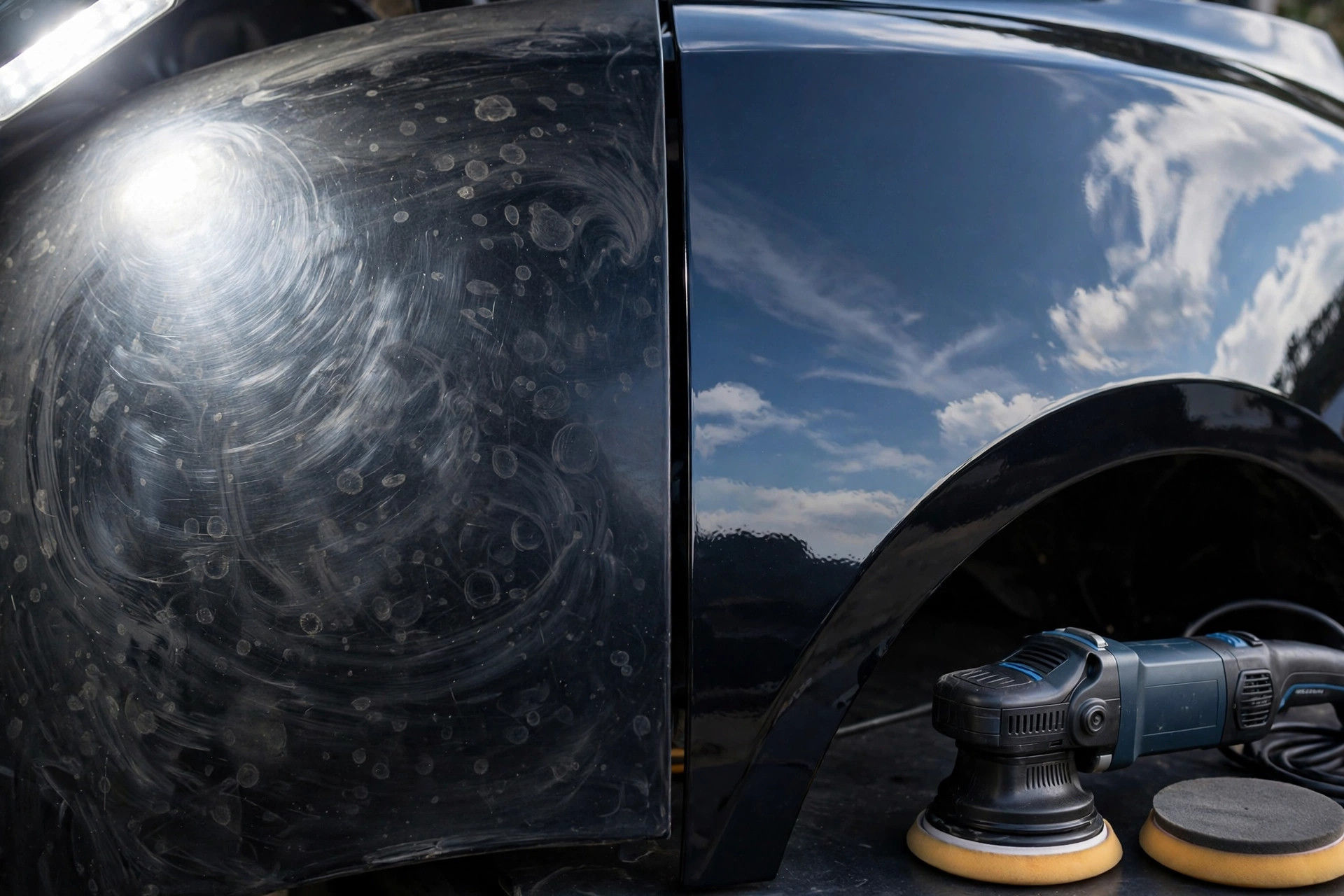
Reach for Ultimate Compound when you can see the problem — swirls, oxidation, light scratches, water-spot haze. Reach for Ultimate Polish when the paint is already in good shape and you want maximum gloss before wax. On neglected paint the correct answer is often both, in that order: compound first, polish second, protection last. Compound and polish only work on decontaminated paint — clay bar first.
Side-by-side specs
| Spec | Meguiar's Ultimate Compound | Meguiar's Ultimate Polish |
|---|---|---|
| Size | 15.2 oz | 16 oz |
| Application | Hand or DA polisher | Hand or DA polisher |
| Clear coat safe | Yes | — |
| Step | — | After compound, before wax |
| Price | See price(opens Amazon, paid link) | See price(opens Amazon, paid link) |
Defect removal — Compound, clearly.
It is formulated to remove oxidation, scratches and swirls; Polish only refines the finest marks.
Gloss — Polish, on paint that is already corrected.
Compound restores clarity, but Polish’s conditioning oils leave the deeper, wetter look.
Effort and risk
Both are clear-coat safe and beginner-friendly by category standards, but any abrasive removes a microscopic amount of paint. That is the honest trade: correction is controlled removal, so do not compound on a schedule — only when defects appear.
Meguiar's Ultimate Compound

- Best for
- Swirled, oxidized, neglected paint
- Skip it if
- Your paint is already glossy — you would be removing clear coat for nothing
- Size
- 15.2 oz
- Application
- Hand or DA polisher
- Clear coat safe
- Yes
Built on micro-abrasive technology that cuts like a traditional compound but finishes without the haze those compounds left behind. Works by hand for single panels and spot repairs, or with a DA polisher for a whole car. Clear-coat safe.
- Removes defects a polish cannot touch
- Works by hand or machine
- Clear-coat safe
- Overkill on healthy paint
- Whole-car hand application is slow, tiring work
Meguiar's Ultimate Polish
- Best for
- Well-kept paint, dark colors, pre-wax prep
- Skip it if
- You have visible swirls or oxidation — it will shine them, not remove them
- Size
- 16 oz
- Application
- Hand or DA polisher
- Step
- After compound, before wax
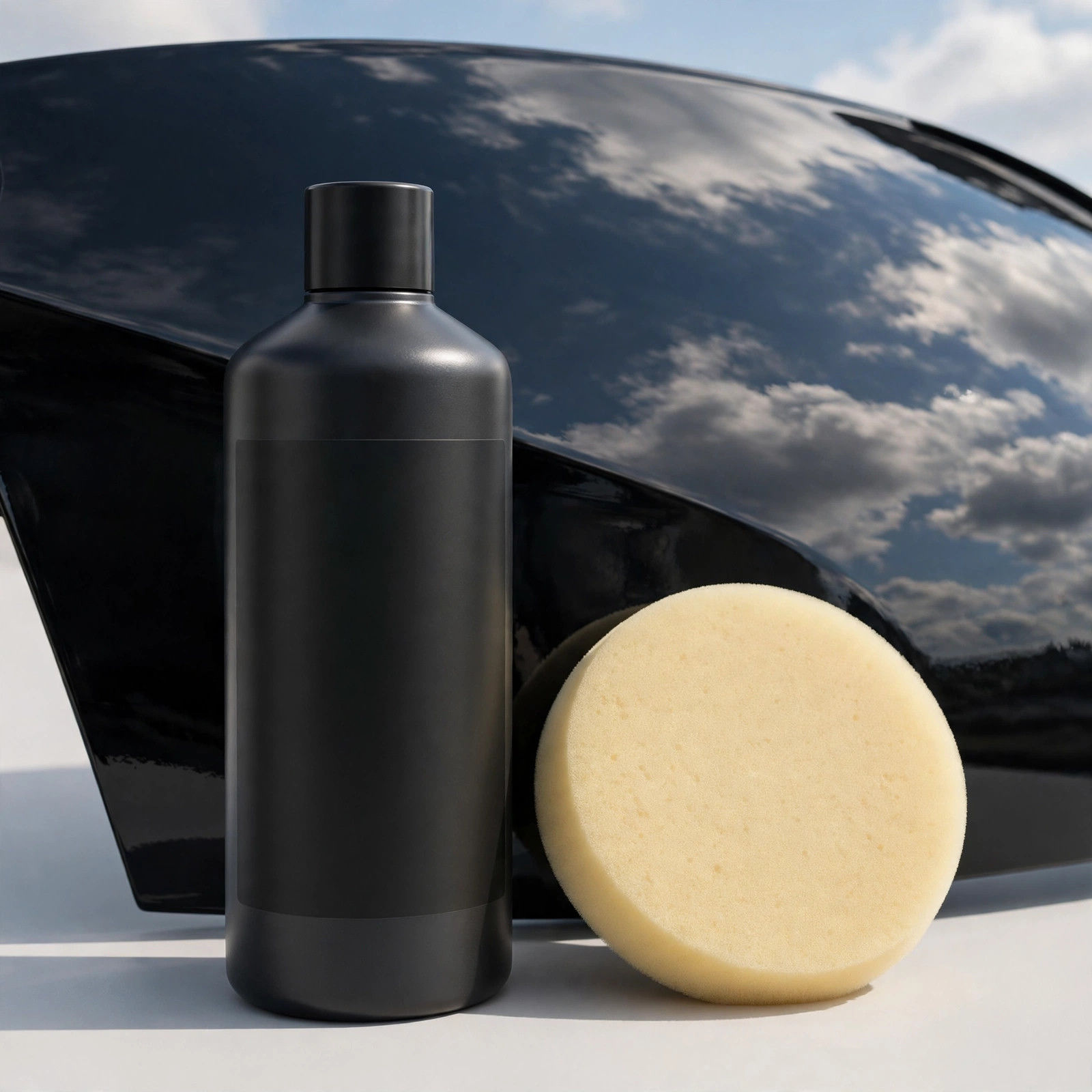
A pre-waxing glaze with fine abrasives and conditioning oils. It levels the lightest towel marks and fine swirls and deepens reflections, which is why it shows the biggest difference on black and dark-colored cars.
- Noticeable gloss gain on dark paint
- Very forgiving for beginners
- Ideal final step before wax or sealant
- Cannot correct real defects
- Adds a step if your paint actually needs compounding first
If your paint fails the phone-flashlight test (swirl webs visible under light), buy the Compound first and the Polish when you are ready for the gloss step. If your paint passes and you are prepping for wax, buy only the Polish. If a fingernail catches in a scratch, neither product will fix it — that scratch is through the clear coat and is a touch-up or body-shop conversation, not a detailing one. Corrected paint still needs protection — here’s an honest look at Shine Armor Fortify Quick Coat.
FAQ
Can I use Ultimate Polish without compounding first?
Yes — on paint in good condition that is exactly how it is meant to be used.
Do I have to wax after using either one?
After Compound, yes — correction leaves the paint unprotected. After Polish, also yes; it is a pre-wax step, not a protectant.
Hand or machine — does it matter?
Machines are faster and more even over a whole car. By hand is fine for one panel, a door handle area, or a single scratch zone.